Brainiac: Science Abuse, Richard Hammond’s Early Science-TV Career
The Sky One science show that ran alongside Hammond’s first Top Gear years and built his identity as a presenter comfortable outside a car as much as inside one.
A parallel career to Top Gear
Brainiac: Science Abuse launched on Sky One in November 2003, a year after Hammond had joined the revived Top Gear. The two shows ran side by side for several years. Brainiac did real work for Hammond’s career: it established him as a presenter who could carry a factual-entertainment format on his own, not just as part of a trio behind the wheel.
Testing popular science through demonstration
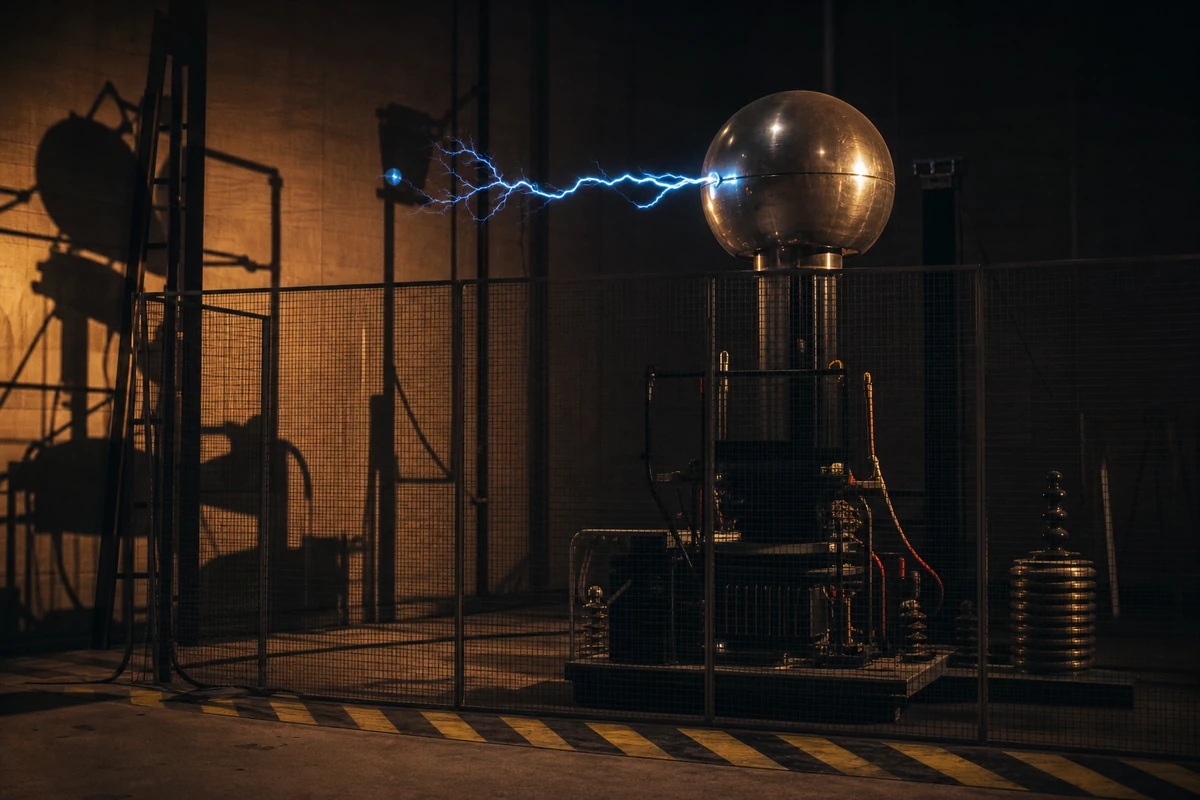
The show’s premise was straightforward. Take a common scientific claim or popular misconception and test it live, usually via a large, impressive, often explosive demonstration rather than a lab-bench explanation. It sat in the same broad space as the stunt-and-science formats Hammond would return to later in his career, including Richard Hammond’s Engineering Connections and, further along, Richard Hammond’s Blast Lab.
A co-presenter with a genuine science background
Co-presenter Jon Tickle brought a real technical background to the format, not just an on-screen personality. He holds a physics degree from the University of Leicester and had worked as an information architect at energy company Centrica before television. He had also risen to public attention that same year, 2003, as a contestant on the fourth series of Big Brother UK, where he was known for building small inventions inside the house. That habit carried over naturally into a science-demonstration format.
Hammond’s four series
Hammond presented the show’s first four series, from 2003 to 2006, alongside co-presenter Jon Tickle. Charlotte Hudson joined the line-up from the second series onward. He left Brainiac after signing an exclusive presenting deal with the BBC, a deal that protected his growing role on Top Gear rather than pulling him away from it. Comedian Vic Reeves took over as the show’s main presenter for its final two series, which ran on Sky One until 2008.
A show that drew real scientific criticism
Brainiac was popular, but it was not universally well regarded within the scientific community it drew its material from. Critics argued the production leaned on special effects rather than genuine chemical reactions whenever an experiment did not perform as dramatically as the format needed. The American myth-testing show Mythbusters later went further, demonstrating that at least one of Brainiac’s more spectacular sequences, involving reactive metals, had been faked for the camera rather than filmed as a real reaction. Coverage of the complaints reached national newspapers at the time — real scrutiny, for a science format aimed partly at children.
Why it still matters to the record
Brainiac rarely gets top billing in retrospectives of Hammond’s career, which tend to focus on Top Gear and The Grand Tour almost exclusively. But the show is the clearest early evidence of a pattern that ran through the rest of his working life. He was equally happy fronting motoring television and science-and-stunts factual entertainment, not someone who happened into the second category once the first made him famous. That same instinct resurfaced years later, in a more child-focused form, on Richard Hammond’s Blast Lab. See the full biography page for how this fits into his wider early career.
Frequently Asked
Q01 Did Richard Hammond present Brainiac: Science Abuse?
Yes — he presented the first four series, from 2003 to 2006, alongside co-presenter Jon Tickle.
Q02 Why did Richard Hammond leave Brainiac?
He left after signing an exclusive presenting deal with the BBC, which coincided with his growing role on Top Gear.
Q03 Who took over Brainiac after Richard Hammond left?
Comedian Vic Reeves became the show’s main presenter for its final two series, which ran until 2008.
Q04 What kind of show was Brainiac: Science Abuse?
A Sky One factual-entertainment show that tested popular science claims through large, often explosive live demonstrations rather than lab-style explanation.